
Salt Is Salt
My previous articles have been focused mainly on individual benefits of exercise. From our own point of view this is the most important and fundamental part of a good life — to live without illness and pain. But there is more to life than just our selves and our bodies. There is all the rest. Our social lives and work.
As humans we are social animals. We count on each other, need each other to grow. Every person has their own individual brain. Physically we are different. The chemicals that control our brains are different in amounts and where they flow. Much of who we are is predetermined by our DNA and the rest by our social heritage from childhood till today. There is only so much we can do to change who we are through exercise and meditation. Daily practice should be part of everyone’s daily living. Much more can be done on a social level to control and improve our existence.
The Recipe for Good Collaboration
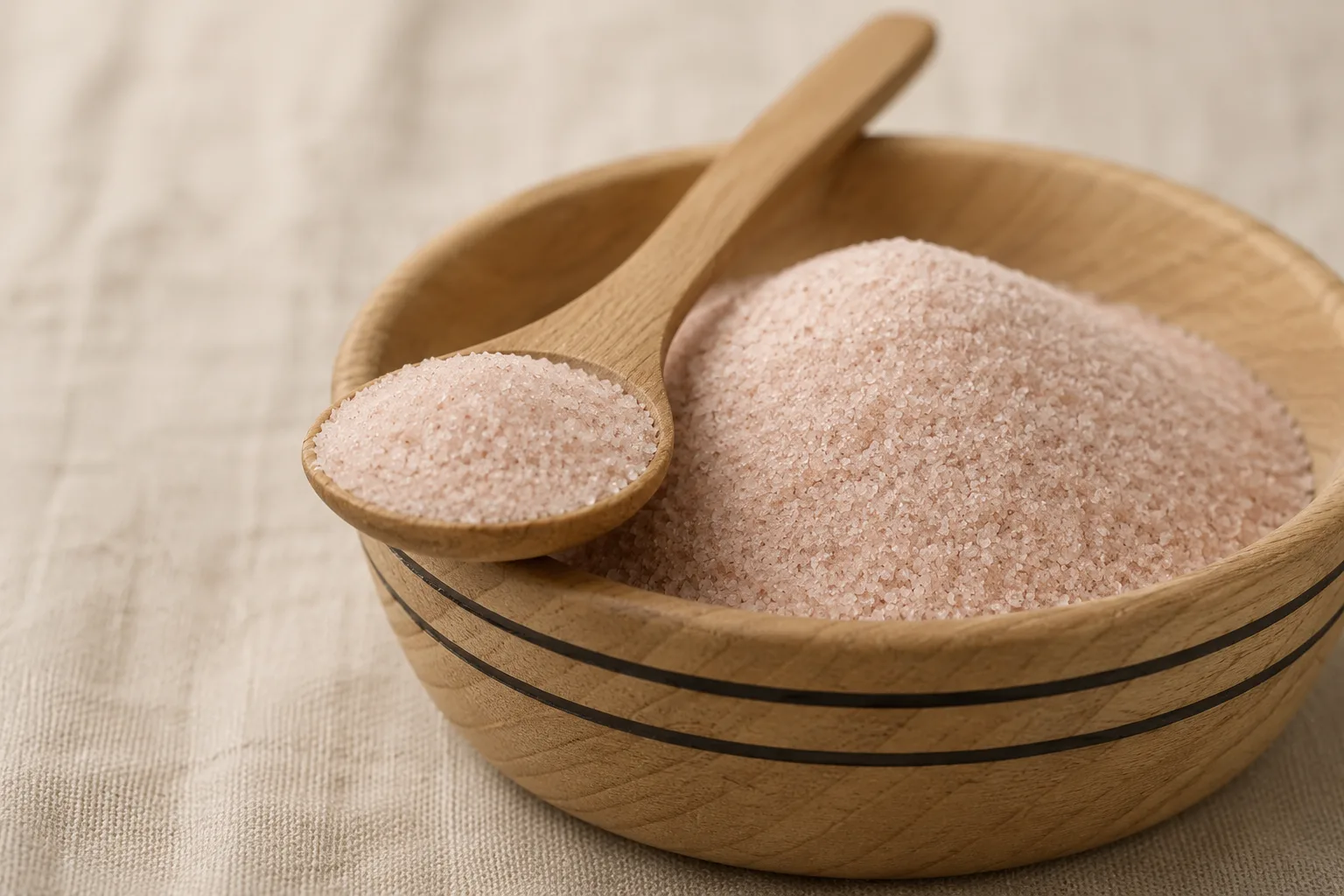
One extreme is to change who we surround ourselves with, to move or change job. Personally I would much more prefer to learn how to interact better with the people that I share every day life with. Consider this analogy: flour is flour and salt is salt, we cannot change that. Fundamentally they are what they are. Alone we would never consider to eat them as one is dry and the other is too salty. The magic happens when we mix with water and maybe an egg. Now we have the base for a delicious bread.
It is very much the same with social groups. You are you and I am me — nothing can change that. Our focus should be on what aspects of our personalities can complement each other. What “ingredient” of each person can suit each other to compose a delicious dish. To discover the best recipe of a group we need to establish a free flow of communication without judgment in order to truly grasp the other person’s individual strengths and weaknesses. To find out what part can best supplement each other.
Communication and Trust
When we talk about communication we need to mention trust. To communicate with peers we need to trust them, and more importantly they need to trust you. Miscommunication arises from the lack of ability to understand how others work on a fundamental level — to blindly perceive them as a person exactly the same as you. If we want to remind ourselves that they in fact are very different from us, then we need to trust what they tell us enough to know that it is true from their point of view.
If you trust your colleagues and they trust you, then you will avoid most of the heated arguments and make every day work flow much more efficiently. It is all a matter of knowing our own weaknesses and knowing the strengths of the people we surround ourselves with. When this is established then we can begin to complement each other. If we on a personal level know what our strengths and weaknesses are, then we can quickly accept others and find ways to work together and improve as a group.
Communication and trust. I believe they are closely linked and often neglected when separated too widely. To improve together requires clear and honest communication and extraordinary trust. If we can achieve honest communication and trust then we can accept our personal weaknesses and show them to others. In turn they can quickly supplement our needs and vice versa. This is a direct way to understand how to help and grow together.

Movement as the Bridge
I use physical work to link the gap between trust and communication. We all trust our own bodies and our own point of balance — after all, it is what we have. I teach to share this fundamental physical feeling of balance and in turn I allow my students to trust each other. When I step out they completely rely on good communication to achieve the exercises.
The partner and group acrobatics exercises I coach can seem difficult for most of the people that I talk with. In fact it is not difficult and everyone can do it and benefit personally and as a group. Just the word acrobatics can sound impossible. For me, 17 years ago it also looked impossible. But after training every day for all those years it slowly became more and more comprehensible. The neurological connections between muscles and brain grew stronger and the muscle memory slowly became as natural as brushing my teeth. The intellectual part of physical work became who I am and what I do. My estimation is that I have used approximately 32,000+ hours developing my skills since 2004.
That knowledge is what I use to teach — the knowledge I use to make you understand how you need each other to achieve common goals. How to trust and communicate. I do not just teach acrobatics; what I teach is psychological work and learning through movement. This is a link I have always known and worked with.
Often people tell me “I cannot do it.” I reply: “Right, you cannot do it. But with the correct instructions from the right coach you can.”
We are all accustomed to words like yoga, fitness, gym, running, zumba, cross-fit and so on. Partner acrobatics is nothing less or more than the above — it is exercise for you and for your social life. It is possible to find yoga teachers or gym instructors with more than 30,000 hours of practice, but it is rare, and when we find them we call them masters. I don’t expect anyone to call me a master; I am simply me. I do not share my knowledge for glory or fame. I share it to help where I can and who I can.
The TCM Perspective
My Traditional Chinese Medicine (TCM) studies have over the years led me to a more balanced approach — one that I use to take the link between body and mind to another level. I use the fundamental theory of Chinese medicine to analyze the groups and the individuals that I work with. I discover who is more progressive, who has better ideas, who is afraid to share their opinion and many other personality traits. I give my students the chance to discover their own weaknesses and strengths — to acknowledge the weaknesses and grow the strengths.
We feel weak and out of control when we are off balance. It is a natural reaction. I allow my students to feel outside of themselves to understand that they and their partners are in fact all in the same situation — all of them feel helpless alone but stronger together.
The link between partner acrobatics, communication and trust cannot be understood by reading or looking at pictures. It is like reading about music instead of listening to it. It has to be felt with our own bodies and shared with the people around us.
Vil du vide mere?
Book en behandling og få personlig rådgivning om kost, livsstil og Traditionel Kinesisk Medicin.