
Exercise and Stress
Ever noticed how your body feels when you’re under stress? Your muscles may be tense, especially in your face, neck, and shoulders, leaving you with back or neck pain and painful headaches. You may feel a tightness in your chest, a pounding pulse, or muscle cramps. You may also experience problems such as insomnia, heartburn, stomachache, diarrhea, or frequent urination. The worry and discomfort of all these physical symptoms can in turn lead to even more stress, creating a vicious cycle between your mind and body.Exercising is an effective way to break this cycle. It is now general knowledge that exercise has many benefits for our body and mind. But how exactly?I will go a little deeper explaining what exactly happens to your mind when you exercise. And how it can improve your daily life, reduce stress and improve your cognitive thinking. In addition I will add a few lines regarding Traditional Chinese Medicine and our perspective on exercise and mental health.
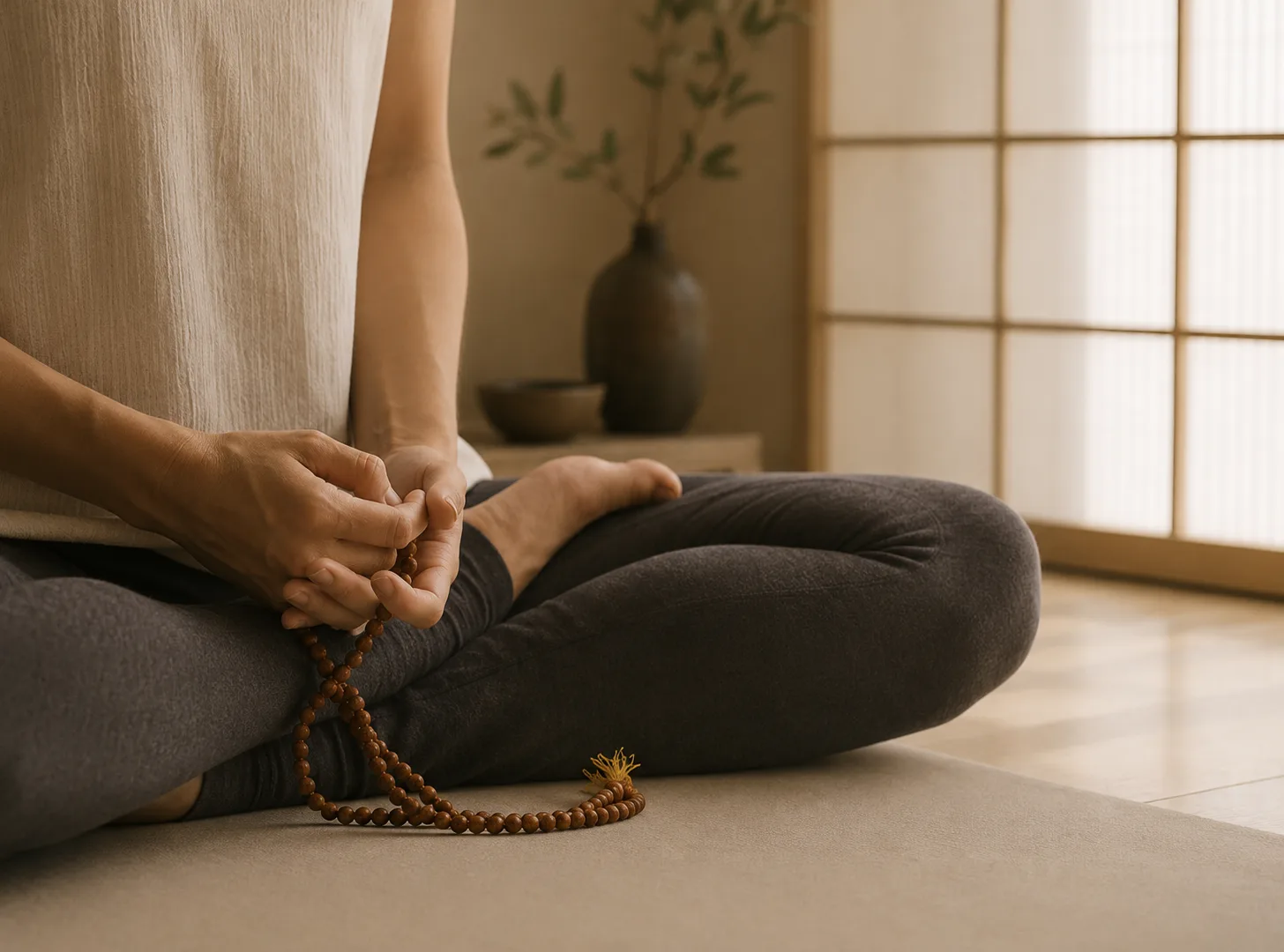
Many believe that in order to get a positive outcome of exercise you will need to do aerobic exercise, get your pulse up and sweat. It is true that you do need high cardio exercise for a few specific benefits. But it is not the case with the majority of positive benefits of regular exercise. The physiological processes in your brain when you start to exercise are simple and works in two directions.
- Your body reduces its levels of the stress hormones adrenaline and cortisol.
- Exercise stimulates the production of endorphins that are the bodies natural painkillers and more important mood elevators.
By doing exercise you reduce your stress hormones and at the some time increase your “happy hormone”. These two hormonal changes are the fundamental changes to your central nervous system during exercise. It does not take more than a 20 minutes walk or get the bicycle to work. In general it takes 15 – 20 minutes to achieve the effect.In addition, for you to start to burn fat you will need to do more then 12 minutes of exercise. This is for your Liver to stop breaking down its stored glycagen into glucose and instead begin your bodies gluconeogenesis from fat into the energy for your muscles, glucose. Glycagen is produced by your liver after eating by assembling glucose into glycagen that it can store and use when needed. The stored glucose will then be released when your body needs it. For an avarage adult it takes 12 minutes for your liver to break down all its glycagen and instead begin to use the fat to produce additional glucose. The process of transforming fat into glucose is called gluconeogenesis.
When you do regular exercise then your own behavioral patters will also contribute positively to the benefits of exercise. As you get more comfortable with your own body you will naturally feel more in control of your own life. Your stamina will increase and give you more energy for all your dailyactivities. When you pass the first barrier and are exercising regularly it will also make you more prone to tackling other issues in your life. The principle of one success leading to an other.
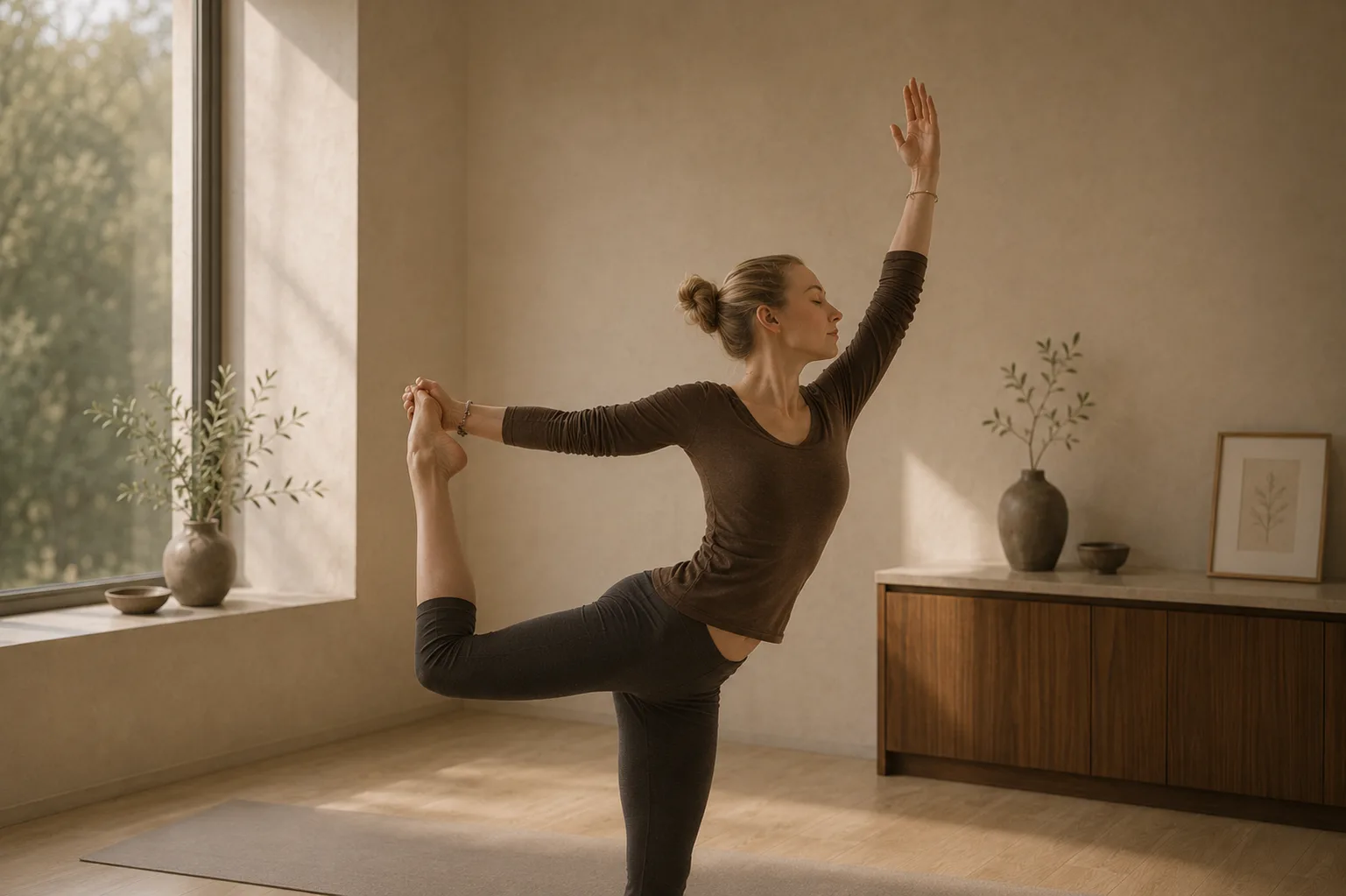
My Traditional Chinese Medicine (TCM) studies here in China has over the years lead my to a more balanced approach to exercise. An approach that is more efficient and more appropriate for the general population. Before, working as a circus artist I was training 4-6 days a week for 5-8 hours per day. Besides that traveling and performing and teaching. That level of exercise is equal to professional athletes. This level of exercise is not recommended for anyone. It is extreemly hard on the body and the avarage age of retirement is below 40.TCM has a completely different approach. Here it is all about balance for your body and it’s relation to the environment around you. The theory of five elements and yin yang is excellent to describe this for easy understanding. The five elements is to understand our relation to the environment and the changing seasons. Wood is spring, fire summer, earth late summer, metal fall and water winter. In combination with yin yang it can be understood that summer is yang, movement and energy(qi). While winter is yin, stillness and calm. If we want to stay healthy then it is extremely important to emphasize that winter is the season with less qi and therefor we should not do much strong exercise. This is for us to preserve our bodies and not fall ill. Sweating should be avoided during the cold months too. When it comes to summer we should be more active. This is because the environment around us has more qi and we should tap into that. Take it and store it in our bodies to prepare ourselves for the coming winter. Spring and fall should be understood as in between these two extremes. Spring you should get up early and go to bed early and in fall you should get up late and stay up late.I have now followed these simple principles for 4 year and only fell ill once during these years. Compared to before where I was easily lying in bed 4-5 times per year.
Vil du vide mere?
Book en behandling og få personlig rådgivning om stress, livsstil og motion.